
Battery storage
Store electricity from your panels or from cheaper off-peak periods, and use it when it matters most.
- Typical install
- 1 day
- Space needed
- Wall or floor unit
- Funding routes
- Usually private
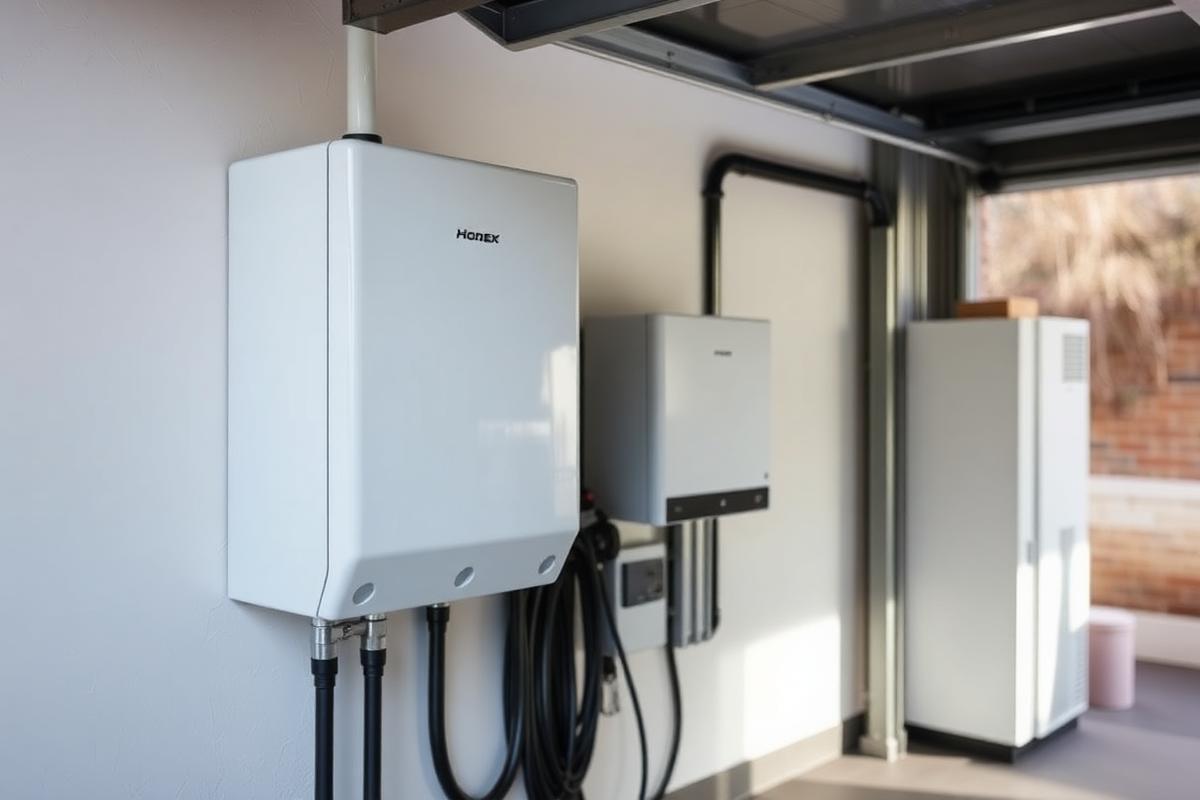
Use more of the electricity you generate
Shift usage away from peak periods
Can provide back-up on some systems
Retrofits to many existing solar installations
The basics
What battery storage actually does
A home battery stores electricity — from your solar panels or from cheaper off-peak periods — so you can use it later.
This is likely to suit you if…
- You already have solar and export a lot of what you generate
- You are on a time-of-use electricity tariff
- You have a garage, utility space or suitable wall
- You want a degree of back-up during outages
Your options
Types of work an installer may recommend
Which option suits you depends on your property's construction, age and condition. A survey confirms what is possible.
AC-coupled battery
Added alongside an existing solar system.
DC-coupled battery
Installed as part of a new solar system.
Standalone battery
Charged from the grid without solar.
Usable capacity, not headline capacity
Batteries are advertised by total capacity, but what matters is the usable figure, the warranty cycle count and how the system behaves when it is nearly empty.
Step by step
How the journey usually runs
- 1
Initial eligibility check
- 2
Electrical survey
- 3
Design and quotation
- 4
Installation and commissioning
Paying for it
Funding routes that may apply
Funding is never guaranteed. These are the routes most often used for this type of work in the UK.
Usually private purchase
Occasionally included within wider funded packages
Initial results are indicative only. Final eligibility and funding are subject to checks by the relevant scheme, authority, funder or installer.
Be prepared
Questions worth asking an installer
What usable capacity does the battery have?
Where will it be sited and how much space is needed?
What is the warranty and expected cycle life?
Can it be expanded later?
Every installer listed with us is checked for accreditation and insurance before they appear in your matches.
Questions
Common questions
Read next
Related advice

How home-improvement grants work
Who funds these schemes, why criteria differ across the UK, and what actually happens between applying and installation.
6 min read
Keep exploring
Other home improvements
See what funding may apply to your home
A free check takes a couple of minutes, never affects your credit score, and shows the schemes and installers relevant to your postcode.